Innovative Uses for the Wrist Bar: Enhance Your Wrist Strength and Flexibility
Explore six innovative exercises using the Wrist Bar to enhance your wrist strength, flexibility,...
Hamstrings are one of the most overlooked muscle groups when it comes to structured training, yet they’re one of the most commonly injured.
Whether you’re sprinting, lifting, changing direction, or even just running around with the kids, your hamstrings play a critical role in how you move and how well your body holds up over time.
The reality is simple: weak or underprepared hamstrings are a liability.
Your hamstrings aren’t just there for aesthetics or accessory work at the end of a session.
They’re responsible for:
In most sports and training environments, the hamstrings are exposed to high levels of stress—especially during eccentric loading (when the muscle lengthens under tension).
This is where injuries tend to happen.
Hamstring strains are one of the highest recurring injuries across:
The main reasons?
Most people train hamstrings in a shortened position (think leg curls), but fail to prepare them for the demands of real-world movement.
It’s not enough to just “strengthen” your hamstrings.
You need to build:
Resilient hamstrings can:
This is where targeted training becomes key.
If there’s one thing that consistently shows up in both research and real-world results, it’s this:
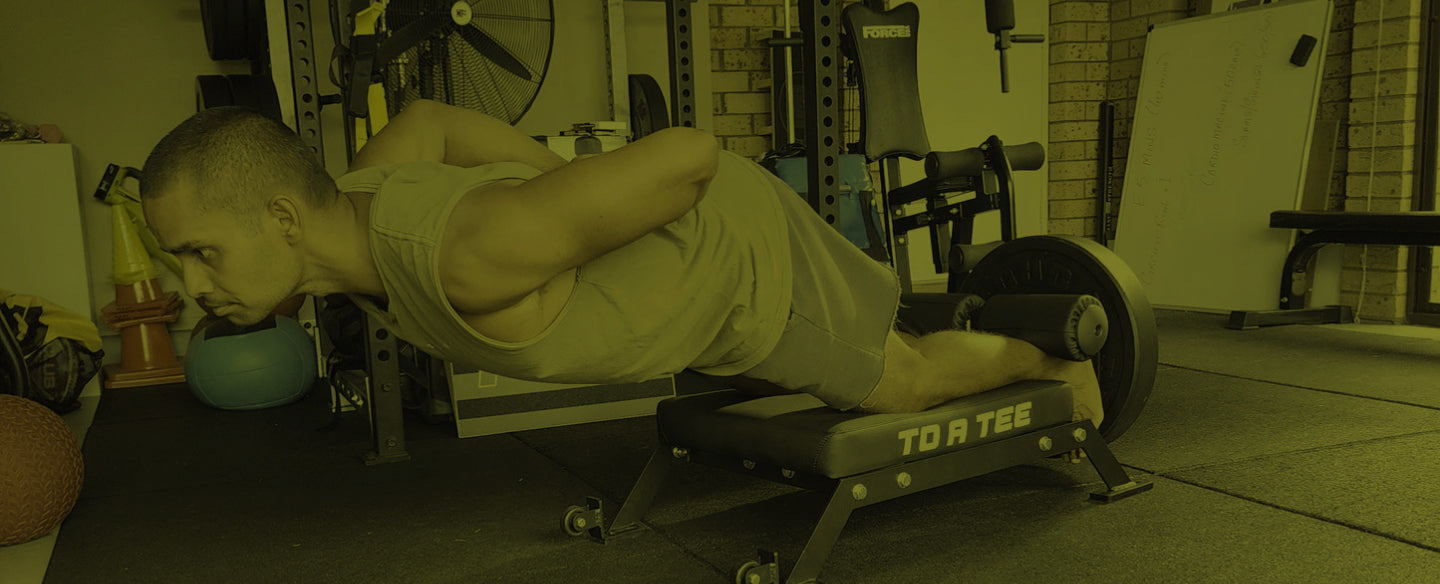
Eccentric hamstring training is one of the most effective ways to prevent injuries.
Movements like Nordic curls:
But the challenge has always been accessibility. Most people don’t have a setup that allows them to train this properly.
This is where having the right setup makes all the difference.
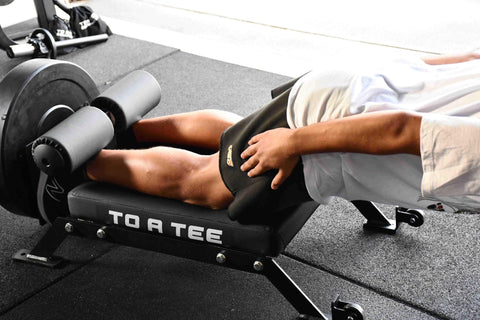
Using equipment like the Nordic Mini Bench allows you to:
It’s a simple but highly effective way to build:
For a more versatile setup, the Nordic Multi Pro Bench gives you the ability to:
This is ideal if you want:
When you consistently train your hamstrings properly, you’ll start to notice:
And most importantly, you stay on the field, in the gym, and doing what you enjoy.
A few common mistakes:
Building resilient hamstrings isn’t about doing more—it’s about doing the right type of work.
If you’re serious about performance, injury prevention, or just moving better long term, hamstring training shouldn’t be an afterthought.
It should be a priority.
You don’t need to overcomplicate it—
but you do need to train it properly.
Start simple. Stay consistent. Build resilience.
Your body will thank you for it.
Explore six innovative exercises using the Wrist Bar to enhance your wrist strength, flexibility,...

Ankle mobility is a crucial yet often overlooked aspect of lower body fitness. Whether you're a p...
Building robust hamstrings is not just about enhancing your athletic performance; it's about inju...