Innovative Uses for the Wrist Bar: Enhance Your Wrist Strength and Flexibility
Explore six innovative exercises using the Wrist Bar to enhance your wrist strength, flexibility,...
Most injuries don’t come from one bad rep or one unlucky moment.
They build up quietly — week after week — through missed preparation, poor joint capacity, and training loads the body simply isn’t ready for.
That’s where prehab comes in.
And despite what many people think, prehab isn’t rehab.
It’s not about fixing injuries.
It’s about preparing the body so injuries are less likely to happen in the first place.
Whether you’re a coach, physio, or someone training consistently, prehab should be part of your weekly structure — not something you scramble to do once pain shows up.
Rehab is reactive.
It starts after something has already gone wrong.
Prehab is proactive.
It focuses on building joint strength, control, and capacity before issues appear.
Rehab asks:
“How do we fix this injury?”
Prehab asks:
“How do we reduce the chances of this becoming an injury at all?”
Both are important — but they’re not interchangeable.
In most training environments, injuries tend to follow patterns.
From what I’ve seen working around athletes, coaches, and everyday gym-goers, issues usually come down to:
Poor ankle mobility or strength
Weakness at end range
Muscles and tendons not conditioned for repeated load
Sudden spikes in training volume or intensity
The body doesn’t fail because it’s fragile — it fails because it hasn’t been prepared for what you’re asking it to do.
That’s exactly what prehab addresses.
While every athlete is different, the same areas tend to cop the most stress:
Limited ankle mobility and strength often force compensations further up the chain.
Knees rarely fail in isolation — they usually suffer because of poor ankle or hip function.
Lack of control or strength here increases load on both knees and lower back.
Effective prehab targets these areas consistently, not just when something feels “tight”.
Good prehab doesn’t need to be complicated.
In most cases, it looks like:
10–15 minutes
2–3 times per week
Built into warm-ups or accessory work
Rather than random stretches, quality prehab focuses on:
Controlled range of motion
Strength at end range
Gradual exposure to load
The goal isn’t fatigue — it’s preparation.
You can do prehab without equipment.
But in real-world settings, simple tools often:
Improve consistency
Make exercises easier to coach
Reduce guesswork
Increase compliance
Equipment doesn’t replace good coaching — it supports it by removing friction.
That’s why many coaches and physios use tools as part of a broader system, not as a shortcut.
The cost of skipping prehab usually shows up as:
Missed training sessions
Reduced performance
Longer rehab timelines
Frustrated athletes
The coaches who stay ahead of injuries aren’t doing anything flashy — they’re just consistent with preparation.
And that consistency compounds over time.
Prehab isn’t about being cautious.
It’s about being prepared.
If rehab is the safety net, prehab is the foundation — and smart coaches don’t wait for things to break before they start building it.
This article is for general education purposes only and is not medical advice. Always consult a qualified health professional for injury diagnosis or treatment.
Explore six innovative exercises using the Wrist Bar to enhance your wrist strength, flexibility,...

Ankle mobility is a crucial yet often overlooked aspect of lower body fitness. Whether you're a p...
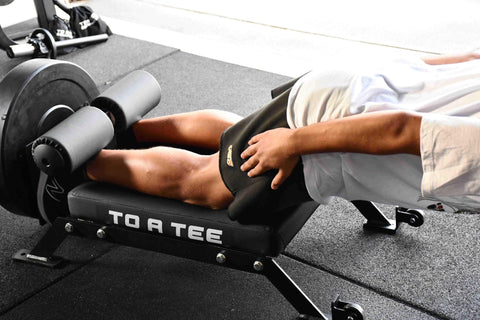
Building robust hamstrings is not just about enhancing your athletic performance; it's about inju...