Innovative Uses for the Wrist Bar: Enhance Your Wrist Strength and Flexibility
Explore six innovative exercises using the Wrist Bar to enhance your wrist strength, flexibility,...
Hamstring injuries are one of the most common issues across sport — and they’re often preventable.
Whether you’re sprinting, lifting, or just training consistently, your hamstrings take a lot of load.
The problem is, most people don’t train them properly.
A lot of hamstring injuries come down to:
Most gym programs focus heavily on quads — but neglect the posterior chain.
That’s where problems start.
If you want resilient hamstrings, you need to train them where they’re most vulnerable — when they’re lengthened.
This is exactly what happens during:
And it’s exactly what most exercises miss.
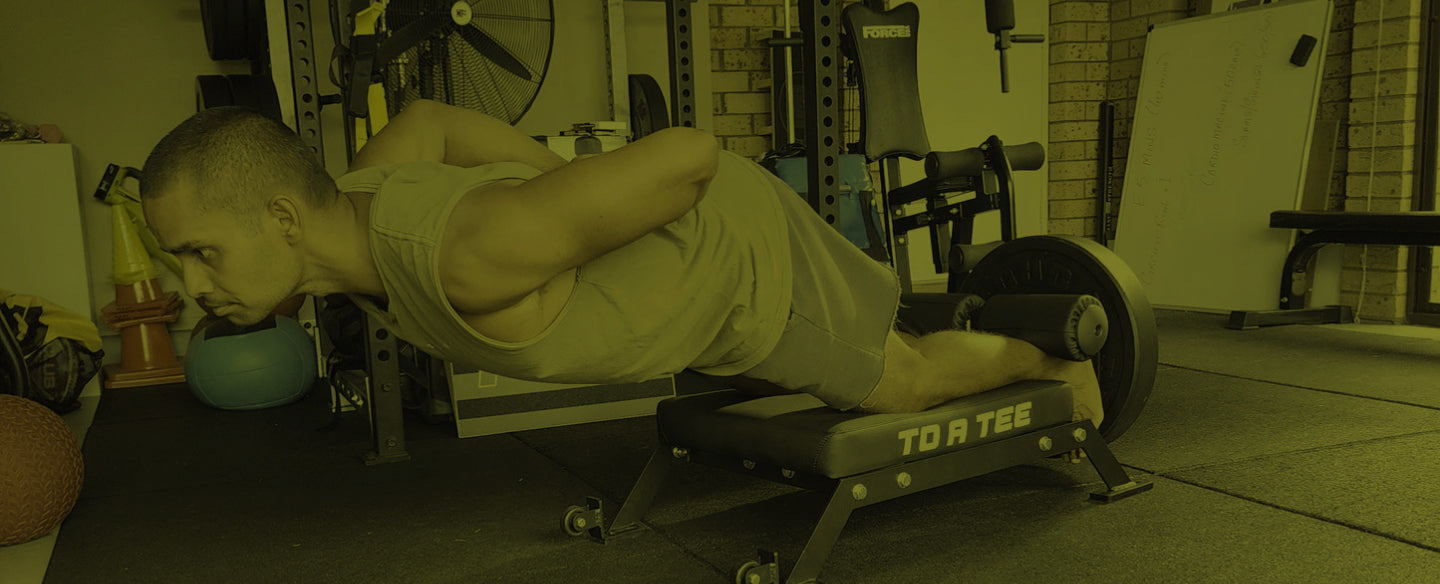
Nordic curls are one of the most effective exercises for building hamstring resilience.
They train:
This is exactly what protects your hamstrings during high-speed movement.
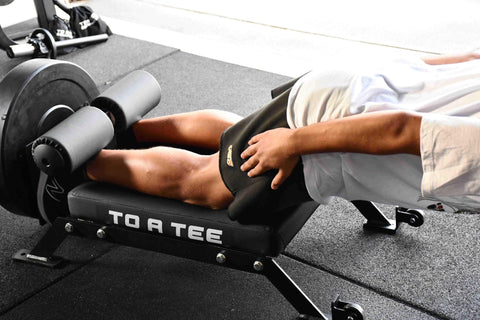
A proper setup makes a huge difference.
Using something like the Nordic Mini Bench allows you to:
Without a proper setup, most people either:
Most people jump in too hard and get wrecked.
Start with:
Nordics are powerful — but they shouldn’t be the only thing you do.
For complete hamstring resilience, include:
It’s about building a well-rounded system.
You don’t need to smash your hamstrings once a week.
You need to train them consistently.
Even 1–2 sessions per week of proper hamstring work can significantly reduce injury risk and improve performance.
If you’re serious about training, strong hamstrings aren’t optional.
They’re one of the biggest factors in:
Nordic curls are one of the best tools you can use — especially when done properly.
This is prehab in action.
Prehab isn’t a replacement — it’s the missing piece of your training.
Explore six innovative exercises using the Wrist Bar to enhance your wrist strength, flexibility,...

Ankle mobility is a crucial yet often overlooked aspect of lower body fitness. Whether you're a p...
Building robust hamstrings is not just about enhancing your athletic performance; it's about inju...